
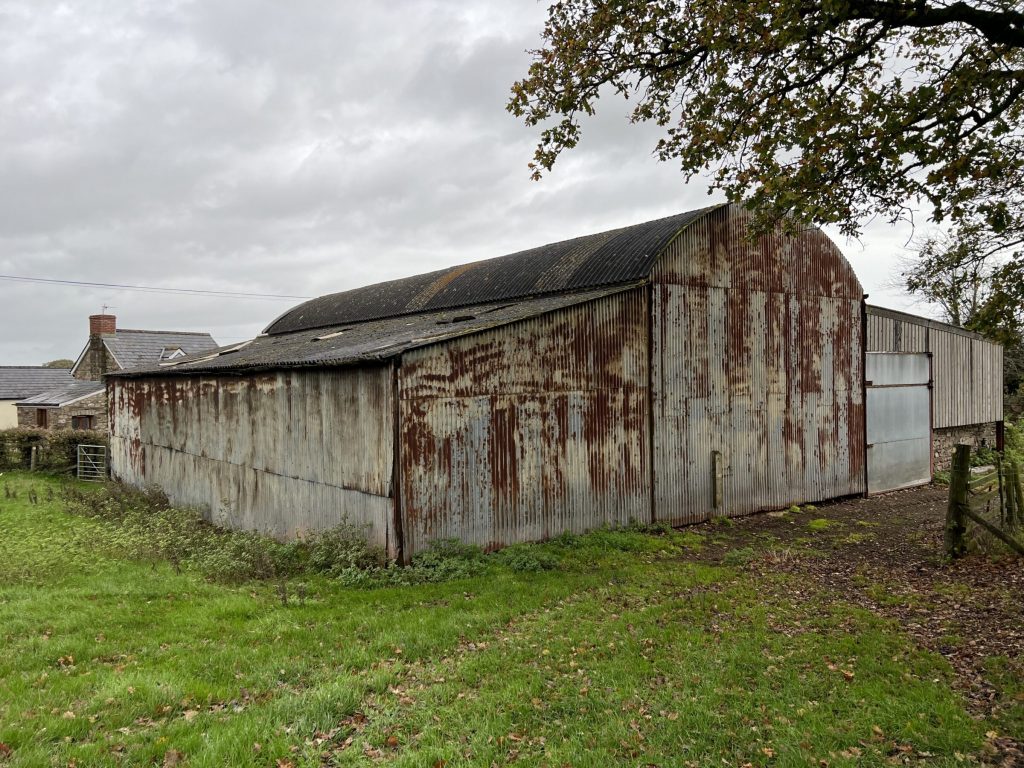
Thinking about converting a barn to residential use? Learn about Class Q permitted development rights, key limitations, and how to unlock value from your land.
Converting barns and agricultural buildings into residential properties has become a popular route for landowners seeking to unlock value without the full cost and time of a traditional planning application. In England, Class Q permitted development (PD) rights provide a legal framework for this process — but there are important rules and limitations every landowner needs to understand.
This guide explains Class Q in plain English, helping landowners make informed decisions about their barns or agricultural buildings.
What Is Class Q?
Class Q is part of the General Permitted Development Order (GPDO), which allows certain agricultural buildings to be converted into up to three residential units without a full planning application.
Key points:
- Only applies to agricultural buildings (barns, storage, or other farm structures)
- Residential use must be within Class C3 (dwelling houses)
- Conversion must comply with building regulations
The aim is to make it easier for underused or redundant agricultural buildings to provide new housing without the full planning process.
Eligibility Requirements
Not all barns automatically qualify. To use Class Q, your building must meet the following criteria:
- Agricultural Use: The building must have been used for agriculture (or ancillary agricultural storage) on 20 March 2013 (or for ten years prior for Class Q(a) before April 2018 changes).
- Physical Condition: The structure must be capable of conversion without major rebuilding. You cannot demolish and rebuild; Class Q is a conversion, not new construction.
- Location: The building can be in the countryside, Green Belt, or on farms, but planning constraints like conservation areas or flood zones may apply.
- Maximum Size: Conversion can create up to 450m² of floorspace.
- Unit Limit: Usually no more than three dwellings per building.
Limits and Restrictions
While Class Q provides a relatively fast route to residential use, there are limits:
- No extensions: You cannot significantly extend the building beyond its existing footprint.
- External appearance: Any changes must not significantly alter the external appearance.
- Access and highways: Adequate vehicular access and parking must be achievable.
- Environmental considerations: Protected species, flood risk, and contamination issues may restrict development.
- Agricultural land use: Class Q cannot be applied to land with active livestock housing that would be affected.
Opportunities for Landowners
Class Q conversions can create significant value for redundant barns, particularly in rural areas:
- Unlock Hidden Value: Converting an unused barn to residential units often increases land value substantially.
- Faster Development Process: PD rights mean no full planning application is required, reducing cost and timescales.
- Flexible Options: Barns can be converted for single-family homes or split into multiple dwellings depending on size.
- Alternative Uses: Some landowners combine Class Q with marketing their site for outright sale or promotion once PD rights are confirmed.
Professional Assessment Is Essential
Class Q may seem straightforward, but planning officers review each conversion carefully. Issues that commonly arise include:
- Structural integrity of the building
- Visual impact and landscape considerations
- Compliance with flood risk and highways requirements
Professional advice ensures that your barn conversion is achievable, cost-effective, and maximises potential value.
Next Steps for Landowners
If you own a barn or agricultural building and are unsure whether it qualifies for Class Q conversion, a free land assessment is the ideal first step.
We’ll review:
- Whether your building meets Class Q eligibility
- Planning and technical constraints
- Potential value uplift
- Suitable routes to market
👉 Submit your barn or agricultural building for a free assessment today and discover its full potential