
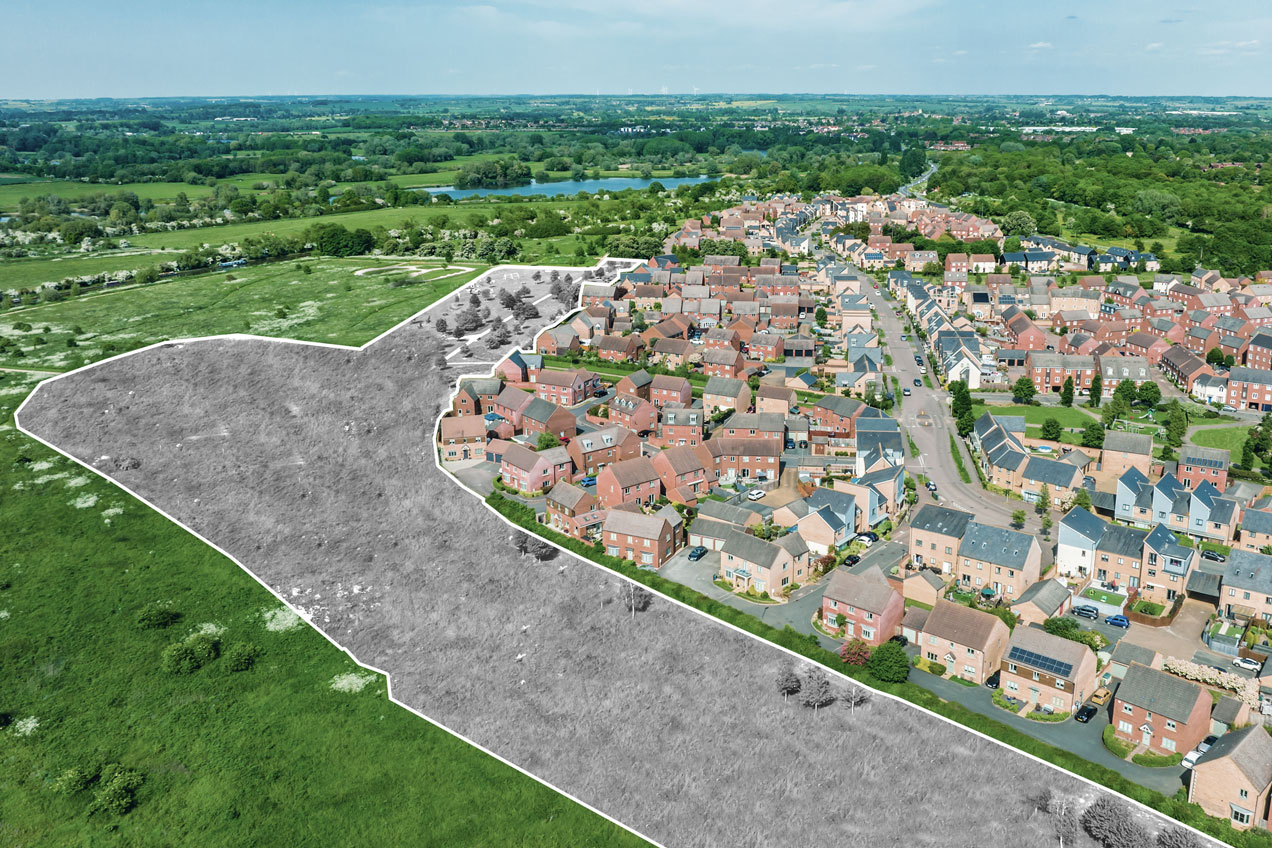
Grey Belt Land Development Opportunities
Grey Belt land is becoming an increasingly important part of the UK’s planning and housing debate. While often located within the Green Belt, Grey Belt land may include previously developed, underutilised, poor-quality, or visually degraded land that could be suitable for future development. At Revive Estates Group, we help landowners understand whether their land may benefit from evolving planning policies and future development opportunities.Following the December 2024 NPPF update, Grey Belt land within the Green Belt now carries stronger development prospects
Request a Free Land Assessment
If you own land within the Green Belt and are unsure whether it could be considered Grey Belt, our team can provide a free, no-obligation assessment to help identify potential opportunities.
👉 Request Your Free Land Assessment Today
What Is Grey Belt Land?
Grey Belt is a planning term increasingly used to describe areas of Green Belt land that make a limited contribution to Green Belt purposes and may be more suitable for development than other Green Belt locations.
Examples may include:
- Previously developed land
- Redundant commercial sites
- Disused industrial premises
- Underutilised storage yards
- Former agricultural buildings
- Poor-quality land adjacent to existing development
- Land affected by infrastructure or major roads
- Visually degraded sites
While Grey Belt is not a formal land designation, it has become an important consideration in discussions around housing delivery and planning reform.
Why Is Grey Belt Land Important?
The UK faces ongoing pressure to deliver new homes while balancing the protection of the countryside.
As a result, policymakers and planning professionals are increasingly examining whether certain areas of Green Belt land could accommodate development without undermining the overall purpose of Green Belt designation.
Grey Belt land is often discussed because it may:
- Adjoin existing settlements
- Have limited environmental value
- Contain existing development
- Be visually contained
- Have good access to infrastructure
- Offer sustainable development opportunities
For some landowners, this may create future planning opportunities that were previously considered unlikely.
What Types of Grey Belt Land Are We Looking For?
At Revive Estates Group, we are particularly interested in:
- Previously developed Green Belt sites
- Commercial land within the Green Belt
- Redundant farmyards
- Storage compounds
- Disused employment land
- Land adjoining built-up areas
- Underutilised roadside sites
- Existing developed sites within rural areas
- Equestrian properties
- Former industrial sites
Even where land has never been promoted for development, opportunities may exist under changing planning policies.
Grey Belt and the National Planning Policy Framework
Planning policy continues to evolve, and the concept of Grey Belt has become increasingly relevant when considering how housing needs may be met.
Land that contributes less strongly to the purposes of the Green Belt may attract greater attention during:
- Local Plan reviews
- Strategic planning exercises
- Housing land assessments
- Development plan allocations
Each site must still be assessed on its own merits, but landowners should remain aware of how planning policy may change over time.
Could Your Grey Belt Land Have Development Potential?
Several factors may influence whether a site could offer future opportunities:
- Proximity to existing settlements
- Existing development on the site
- Access arrangements
- Environmental constraints
- Landscape impact
- Infrastructure availability
- Planning history
- Local housing demand
Sites located adjacent to towns and villages are often of particular interest when local authorities review future growth requirements.
Grey Belt and Previously Developed Land
One of the strongest indicators of potential opportunity is where land contains existing development.
Examples may include:
- Commercial buildings
- Workshops
- Warehouses
- Former industrial sites
- Storage yards
- Existing hardstanding
- Developed compounds
The presence of existing structures may create opportunities that would not normally exist on undeveloped Green Belt land.
Grey Belt and Equestrian Properties
Many equestrian sites occupy substantial areas of land within the Green Belt.
Properties containing:
- Stables
- Riding schools
- Livery yards
- Maneges
- Existing buildings and hardstanding
may warrant further investigation where planning policy and site characteristics support future development opportunities.
Each site should be assessed individually.
How Much Could Grey Belt Land Be Worth?
The value of Grey Belt land can vary significantly depending on:
- Location
- Planning prospects
- Existing uses
- Infrastructure availability
- Site size
- Development potential
Where planning opportunities emerge, land values can increase substantially compared to agricultural or existing use values.
Understanding the position of your land before making decisions can therefore be extremely important.
Why Choose Revive Estates Group?
At Revive Estates Group, we specialise in identifying development opportunities across a wide range of land and property types.
We regularly assess:
- Grey Belt land
- Green Belt sites
- Strategic land
- Agricultural land
- Equestrian properties
- Commercial buildings
- Brownfield land
- Roadside development opportunities
Our experienced team can help determine whether your land may benefit from current or future planning opportunities.
Free Grey Belt Land Assessment
If you own land within the Green Belt, a previously developed site, an equestrian property, or land adjoining a settlement, we can help assess its potential.
Our free assessment service provides an initial review of your site’s planning position and future development opportunities.
👉 Request Your Free Land Assessment
No obligation. No upfront costs. Professional advice from experienced land specialists.
Frequently Asked Questions
What is Grey Belt land?
Grey Belt generally refers to land within the Green Belt that may make a limited contribution to Green Belt purposes and could be more suitable for development than other Green Belt locations.
Is Grey Belt the same as Green Belt?
No. Grey Belt is not a formal planning designation. It is a term used to describe certain types of land within the Green Belt that may have different development characteristics.
Can Grey Belt land be developed?
Development opportunities depend on planning policy, site-specific circumstances, and local authority considerations. Each site must be assessed individually.
Is previously developed land considered Grey Belt?
Some previously developed land within the Green Belt may be described as Grey Belt because it already contains development and may have different planning considerations.
Can equestrian land be Grey Belt?
Some equestrian properties may warrant assessment where they contain existing buildings, hardstanding, and are located in sustainable locations.
How do I know if my land could be Grey Belt?
Factors such as existing development, proximity to settlements, planning history, and site characteristics can all influence whether land may be considered suitable for future development opportunities.
Do I need planning permission before contacting Revive Estates Group?
No. Many opportunities are identified long before any planning application is submitted.
Request Your Free Assessment
Planning policy continues to evolve, and many landowners are discovering that sites previously considered unsuitable for development may now warrant further investigation.
If you own Green Belt land, a previously developed site, an equestrian property, or land adjoining an existing settlement, contact Revive Estates Group today to arrange a free, no-obligation land assessment and discover whether your land could offer future Grey Belt development potential.
How Our Process Works
01.
Tell Us About Your Land
Complete our simple online assessment form and provide basic details about your land or property. This could be a large garden, commercial building, equestrian property, brownfield site, roadside land or strategic development opportunity.
02.
We Review The Opportunity
Our team undertakes an initial assessment of your site, considering factors such as location, planning policy, site characteristics, development constraints and potential opportunities.
03.
Receive Your Free Initial Feedback
We will contact you to discuss our findings and explain whether we believe there may be development potential worth exploring further.
This assessment is completely free and comes with no obligation.
04.
Understand Your Options
If opportunities exist, we’ll explain the routes available to maximise the value of your land.
Depending on the site, this may include:
- Land promotion
- Planning strategies
- Introduction to developers
- Introduction to land promoters
- Strategic marketing
- Future development opportunities
05.
Decide Whether To Proceed
You’ll have the information needed to make an informed decision.
There is no obligation to move forward and no pressure to pursue any particular route.
Our advice is based on what is best for your land and circumstances.
06.
Implement The Best Strategy
If you choose to proceed, we can help deliver the agreed strategy through land promotion, planning support, developer introductions or marketing the site to maximise value.
We’ll guide you through the process and keep you informed every step of the way.
Ready to unlock the value of your land or property? Get your free land assessment
Revive Estates are here to help you understand your options and maximise your asset’s future potential.