
Written by the Revive Estates Group team — independent land development consultants helping landowners across the UK understand and unlock the development potential of their land, property and buildings.
The short answer
Grey Belt is Green Belt land that falls within the definition set out in the National Planning Policy Framework (NPPF), including land that is previously developed and/or land that does not strongly contribute to certain Green Belt purposes. Grey Belt remains Green Belt and does not automatically qualify for development or planning permission. However, where the relevant NPPF policy tests are met, Grey Belt land can be considered for development in circumstances where other Green Belt land may not be.
What Is Grey Belt Land?
Grey Belt is a category of land within the Green Belt defined by the National Planning Policy Framework (NPPF). It can include previously developed land and other Green Belt land that does not strongly contribute to certain Green Belt purposes.
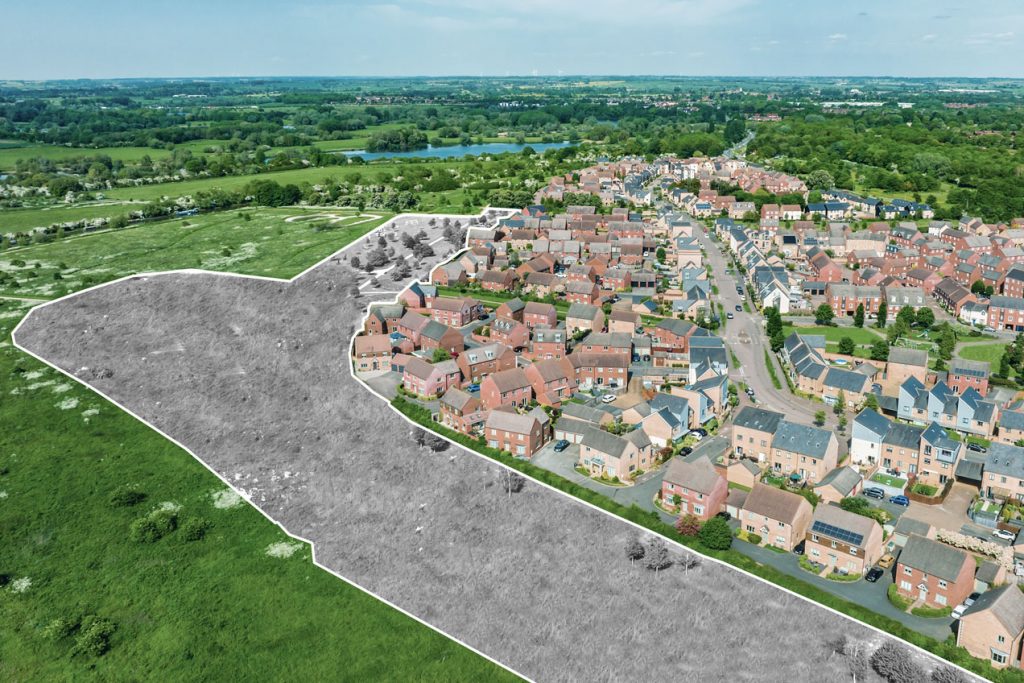
In practical terms, this can include some sites that are physically connected to built-up areas, previously developed, underused or otherwise make a relatively weak contribution to the purposes that Green Belt policy is intended to protect. However, the fact that land appears degraded, underused or close to development does not by itself make it Grey Belt.
The current NPPF requires Grey Belt to be assessed against specific Green Belt purposes and the wider planning context of the site. This means that whether land is Grey Belt is a site-specific planning judgement rather than something that can be determined simply from its appearance or existing use.
Importantly, Grey Belt land remains Green Belt land. Being identified as Grey Belt does not automatically give the land a right to development or mean that planning permission will be granted. Other planning policies, constraints and the specific requirements for development on Green Belt land still need to be considered.
Why Was Grey Belt Introduced?
Grey Belt was introduced as part of the changes to Green Belt policy in the National Planning Policy Framework. The approach recognises that Green Belt land can make different levels of contribution to the purposes of Green Belt policy and that some areas may be more suitable for development than others.
The policy is intended to help planning authorities identify opportunities for development on suitable Green Belt land while continuing to protect the fundamental purpose of the Green Belt: keeping land permanently open and preventing urban sprawl.
For landowners, this means that Green Belt designation does not necessarily provide the complete picture of a site’s development potential. A site may warrant further assessment if it meets the current definition of Grey Belt and the other planning requirements for development can also be satisfied.
What Makes Land Grey Belt?
The current NPPF defines Grey Belt more specifically than simply describing land as “low quality” Green Belt. For plan-making and decision-making, Grey Belt is Green Belt land comprising previously developed land and/or other land that does not strongly contribute to certain Green Belt purposes.
In particular, the current definition refers to whether land strongly contributes to:
- checking the unrestricted sprawl of large built-up areas;
- preventing neighbouring towns from merging; or
- preserving the setting and special character of historic towns.
This means that the assessment is not simply about whether a site looks neglected, underused or visually unattractive. Its physical characteristics, relationship with surrounding development and contribution to Green Belt purposes all need to be considered.
Some previously developed, underused or physically contained sites may therefore warrant investigation, but there is no simple checklist of land uses that automatically makes a site Grey Belt.
How Does Grey Belt Differ from Previously Developed Land?
Previously Developed Land (PDL), sometimes referred to as brownfield land, is land which has been occupied by a permanent structure or associated fixed surface infrastructure, subject to the exclusions in the NPPF definition.
Grey Belt and Previously Developed Land are therefore not the same thing.
The current NPPF definition of Grey Belt specifically includes previously developed land within the Green Belt, but it can also include other Green Belt land where the land does not strongly contribute to the relevant Green Belt purposes.
This means that some Grey Belt land may be greenfield land rather than previously developed land. Equally, being previously developed does not automatically mean that a site is Grey Belt or that it will be suitable for development.
For a landowner, the important question is therefore not simply whether the site is brownfield or greenfield. It is how the site performs against the current Green Belt policies and the wider planning circumstances affecting it.
What Are the Planning Implications for Grey Belt Land?
Being identified as Grey Belt can be important because the current NPPF provides a specific policy route for certain development proposals that utilise Grey Belt land.
However, Grey Belt does not remove the Green Belt designation and it does not create an automatic right to develop. Under policy GB7, development proposals using Grey Belt land must satisfy a number of requirements, including that the development would not fundamentally undermine the purposes of the remaining Green Belt across the area of the plan.
Other requirements also apply, including matters relating to the location and sustainability of the site, evidenced unmet need where required, and the nature and scale of the proposed development.
For major development involving housing on land released from the Green Belt, the NPPF also sets out the Green Belt “Golden Rules”. These cover affordable housing, necessary infrastructure improvements and the provision or improvement of accessible green space.
The precise affordable housing contribution is not simply a blanket 50% requirement in every case. The current policy establishes how the contribution should be calculated, including a 50% cap in specified circumstances and a 50% default where there is no pre-existing affordable housing requirement.
These requirements mean that Grey Belt can improve the planning prospects of some sites, but the overall development potential still needs to be assessed carefully alongside planning policy, infrastructure, viability and other site-specific constraints.
What Types of Land Might Qualify as Grey Belt?
There is no fixed list of land uses that automatically qualify as Grey Belt. Each site needs to be assessed against the current NPPF definition and the circumstances of the surrounding area.
However, some types of Green Belt land may warrant closer investigation, particularly where they are previously developed, underused, physically contained or make a relatively weak contribution to the relevant Green Belt purposes.
- Previously developed commercial or industrial land that is derelict, underused or no longer actively used
- Equestrian properties and stable yards, particularly where existing buildings and hardstanding form a significant part of the site
- Former agricultural buildings and farmyards where the previous use has ceased
- Land on the edge of built-up areas that is physically separated from wider open countryside
- Sites containing existing hardstanding, buildings or other infrastructure where the site’s contribution to Green Belt purposes may be limited
- Other Green Belt sites where the site’s physical relationship with surrounding development means that its contribution to the relevant Green Belt purposes may be relatively weak
These are examples rather than automatic Grey Belt categories. A site should not be described as Grey Belt simply because it falls into one of these land-use types.
Could your Green Belt land have Grey Belt potential?
Whether you own a previously developed site, redundant equestrian property, former agricultural buildings or other Green Belt land, our free assessment reviews your site’s planning position and gives you an honest view of whether Grey Belt may be relevant and what development opportunities could be worth exploring.
Get a Free Land Assessment →Does Grey Belt Apply Everywhere in England?
Grey Belt is a national planning policy concept that applies to Green Belt land across England. However, its practical significance can vary considerably from one area to another.
Whether Grey Belt is relevant to a particular site depends not only on the characteristics of the land and its contribution to Green Belt purposes, but also on the local planning position. This can include the council’s housing need, five-year housing land supply, Housing Delivery Test position, Local Plan status, infrastructure capacity and other planning constraints.
The current NPPF also identifies specific circumstances in which evidenced unmet housing need can be relevant to development proposals involving Grey Belt land. A council’s housing delivery and housing land supply position can therefore form part of the assessment, but it does not by itself make a Grey Belt site suitable for development.
Equally, a council with an up-to-date Local Plan and sufficient housing supply does not mean that Grey Belt is irrelevant. The site’s own planning characteristics and the policies applying to the area still need to be considered.
Don’t assume your Green Belt land has no development potential.
Grey Belt is now an established part of national Green Belt policy, but many landowners may not know how the current rules could apply to their site. If your land has previously developed areas, existing buildings, hardstanding or a close relationship with surrounding development, it may be worth investigating its planning position.
Our free land assessment reviews your site’s planning history, physical characteristics and local planning context to give you an honest, independent view of whether Grey Belt may be relevant and what realistic development options could be worth exploring.
Get My Free Land Assessment →Takes 2 minutes · No cost · No obligation · Reviewed personally by our team
How Do You Know If Your Land Is Grey Belt?
There is no official Grey Belt register or simple map showing which individual sites are Grey Belt. Unlike the Green Belt boundary itself, which is identified through local planning policy, whether a particular site falls within the Grey Belt definition involves an assessment of the land and its contribution to the relevant Green Belt purposes.
For a landowner, the assessment should consider matters such as:
- Your land’s planning history and current planning designation
- Whether the site is previously developed or contains existing buildings, hardstanding or other development
- The physical characteristics of the site and its relationship with surrounding development and open countryside
- Whether the site strongly contributes to the relevant Green Belt purposes, including preventing unrestricted sprawl, preventing neighbouring towns from merging and preserving the setting and special character of historic towns
- The site’s relationship with existing settlements and surrounding land
- The local planning context, including housing need, five-year housing land supply, Housing Delivery Test position and Local Plan status
- Other planning constraints that could affect the suitability or deliverability of development
Grey Belt is therefore not something that can reliably be determined simply from the appearance or current use of a site. The wider planning context and the specific characteristics of the land need to be considered together.
This is the type of initial assessment that Revive Estates Group can provide through its free land assessment service.
What Does Grey Belt Mean for Landowners?
For some Green Belt landowners, Grey Belt may create an opportunity that is worth investigating. This is particularly relevant where a site is previously developed, contains existing buildings or hardstanding, is physically contained, or does not strongly contribute to the relevant Green Belt purposes.
However, Grey Belt should not be treated as a green light for development. Grey Belt land remains Green Belt, and development proposals must still satisfy the relevant NPPF policies and other planning requirements.
The potential of a Grey Belt site can also depend on factors such as housing need, the council’s housing land supply, the Housing Delivery Test, infrastructure capacity, the site’s relationship with existing settlements and any other planning constraints.
For landowners, the sensible approach is therefore not to assume that Grey Belt means their land can be developed, but to establish whether the site has characteristics that justify further investigation and what planning route may realistically be available.
Understanding your site’s Green Belt position is an important starting point before considering whether Grey Belt could be relevant.
The current NPPF provides a specific policy framework for Grey Belt land, but the implications vary from site to site. For landowners with Green Belt sites that are previously developed, physically contained or have a relatively weak contribution to the relevant Green Belt purposes, it may be worth investigating whether Grey Belt is relevant to the site’s planning position.
At Revive Estates Group, we provide a free, no-obligation land assessment for Green Belt and Grey Belt sites across the UK. We’ll review your site’s planning history, physical characteristics and local planning context and give you an honest view of what development opportunities may be worth exploring.
Request Your Free Land Assessment →No cost. No obligation. Every enquiry is reviewed personally by our team — we’ll tell you honestly whether your land has potential worth exploring.
Frequently Asked Questions
Is Grey Belt the same as brownfield land?
No. Previously Developed Land (PDL), sometimes called brownfield land, is land that has previously been occupied by a permanent structure or associated fixed surface infrastructure, subject to the exclusions in the NPPF definition. Grey Belt is different. The current NPPF definition includes previously developed land within the Green Belt, but can also include other Green Belt land that does not strongly contribute to Green Belt purposes (a), (b) or (d). This means some Grey Belt land can be greenfield rather than previously developed land. :chatgpt-content-reference{index=”1″}
Does Grey Belt land automatically get planning permission?
No. Grey Belt does not automatically give a site planning permission or a right to develop. The current NPPF provides a specific policy route for certain development on Grey Belt land, but proposals must still satisfy the relevant requirements. For example, under policy GB7, development utilising Grey Belt must not fundamentally undermine the purposes of the remaining Green Belt across the area of the plan, there must be an evidenced unmet need for the type of development proposed, and the development must be in a sustainable location. Major housing development must also comply with the Golden Rules in policy GB8. :chatgpt-content-reference{index=”2″}
What are the Golden Rules for Grey Belt development?
The NPPF Golden Rules apply to major development involving housing on land released from the Green Belt, including relevant sites subject to a planning application. They cover affordable housing, necessary improvements to local or national infrastructure, and the provision or improvement of publicly accessible green space.
The affordable housing requirement is not simply a blanket 50% requirement in every case. The current policy refers first to the applicable development plan requirement. Until those policies are in place, the requirement is 15 percentage points above the highest existing affordable housing requirement that would otherwise apply, subject to a 50% cap. Where there is no pre-existing affordable housing requirement, a 50% contribution applies by default. :chatgpt-content-reference{index=”3″}
How do I find out if my land is Grey Belt?
There is no simple official map or register showing whether an individual site is Grey Belt. The current NPPF definition requires the land to be assessed against the relevant Green Belt purposes and the circumstances of the site. Factors such as previous development, the physical relationship with surrounding land, Green Belt contribution and the local planning context can all be relevant. A professional planning assessment can help establish whether Grey Belt may be relevant and what development options are worth investigating.
Can equestrian land be Grey Belt?
Possibly, but equestrian use does not automatically make land Grey Belt. A site containing stables, buildings, hardstanding or other development may warrant assessment, particularly where its physical characteristics and relationship with surrounding development mean that it does not strongly contribute to the relevant Green Belt purposes. Every site is different, and the current NPPF definition needs to be considered alongside the wider planning context.
Does Grey Belt apply in National Parks and National Landscapes?
Grey Belt is a definition applied to land within the Green Belt. National Parks and National Landscapes have their own planning protections and policies. Land can only be Grey Belt where it falls within the Green Belt and meets the current NPPF definition. Other designations and constraints, including protected landscapes and sites of ecological or heritage importance, may still affect whether development is appropriate.
This guide was prepared by the Revive Estates Group team. Revive Estates Group are independent land development consultants based in the UK, providing free land assessments and expert advice to landowners exploring their development options. All content is reviewed regularly to reflect current UK planning policy.